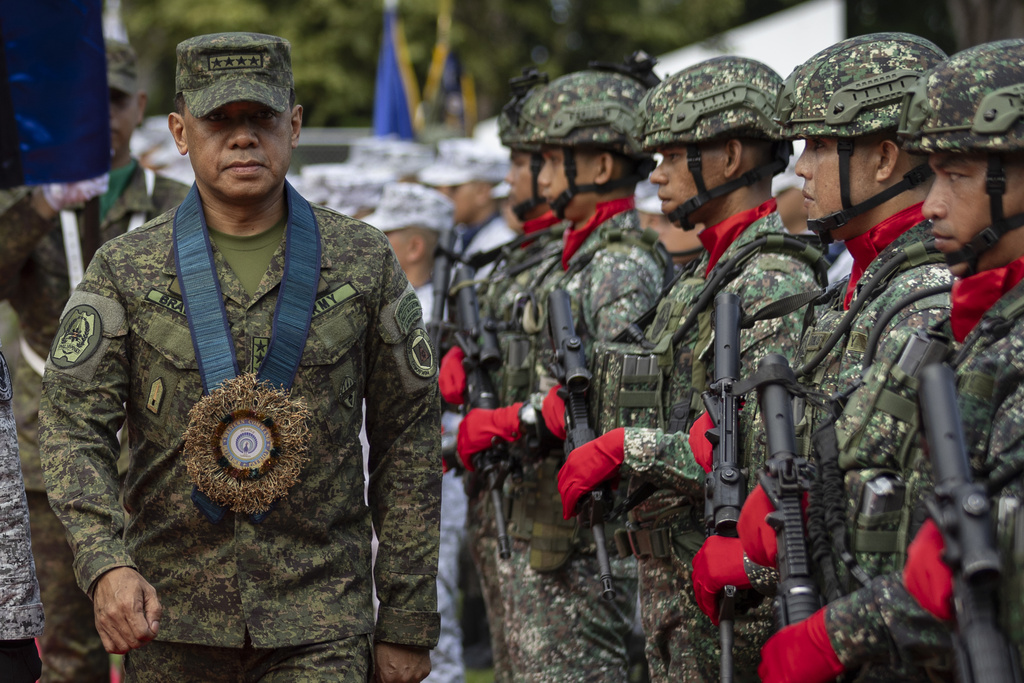
In a week marked by rising political tension, corruption controversies, and preparations for large-scale protests, the Armed Forces of the Philippines (AFP) has once again stepped forward to shut down persistent rumors of a destabilization plot. The message from Camp Aguinaldo is clear: no coup, no junta, no “reset,” and no unconstitutional intervention will take place under its watch.
The AFP’s latest statements come at a volatile moment. With nationwide anti-corruption rallies set for November 30 and social media chatter fueling claims that certain groups might be pushing for military involvement, the institution finds itself navigating a delicate balancing act—maintaining public trust while firmly distancing itself from political upheaval.
Repeated Denials as Tension Builds
Over the past weeks, the AFP has issued multiple public clarifications to counter what officials describe as speculative and dangerous disinformation. Top AFP officials, including Chief of Staff Gen. Romeo Brawner Jr., have emphasized that the military remains loyal to the 1987 Constitution and has no interest in participating in any unconstitutional power grab.
“No coup shall happen—not on my watch,” Brawner said in a previous statement, reiterating the AFP’s commitment to professionalization and non-partisanship.
More recently, AFP spokespersons have doubled down, calling circulating claims of a “military-backed reset” or alleged silent support for political upheaval “baseless” and “irresponsible.” The military maintains that its focus is on national security, disaster response, and internal defense operations—not politics.
These repeated statements, while unusually frequent, reflect the gravity of the moment. As narratives of a supposed destabilization plot spread rapidly online, the AFP has become increasingly proactive, countering false claims before they gain traction.
The Atmosphere Around the Protests
Much of the current climate stems from widespread public frustration over allegations of anomalous flood-control and infrastructure projects, reportedly involving billions of pesos in questionable funding. As these controversies gained attention, civic groups announced coordinated rallies across Metro Manila and key provinces to demand accountability and greater transparency in government spending.
Authorities expect more than 50,000 participants at various protest centers, prompting heightened security measures across NCR and adjacent regions. The AFP, working alongside the Philippine National Police and local agencies, has assured the public that its role during the demonstrations is strictly limited to ensuring safety and preventing violence—not participating in political messaging.
Still, the scale of the protests and the political sensitivities surrounding corruption allegations have fueled narratives claiming that certain factions may be pushing for a broader “reset” of government leadership. These narratives, according to military officials, are both unfounded and destabilizing.
Why Destabilization Rumors Emerge
Analysts point out that in moments of political tension—especially when major corruption stories break—rumors of a coup or political intervention often surface. Some retired military figures, political influencers, and fringe groups may amplify these claims, intentionally or otherwise, contributing to a cycle of uncertainty.
These narratives thrive online, where short, unverified posts can quickly create the impression of widespread discontent within the ranks—even if no such sentiment exists within the active force.
For the AFP, allowing these claims to circulate unchecked poses a risk: it sows distrust, undermines the institution’s credibility, and potentially destabilizes civilian confidence in democratic governance.
The Military’s Posture: Constitutional Loyalty Over Political Interest
The AFP’s consistent stance is rooted in two decades of professionalization reforms designed to distance active service members from political power struggles. Since the early 2000s, the institution has worked to rebuild its image following past uprisings and coup attempts.
Today, AFP leadership emphasizes three core principles:
- Non-partisanship
The military does not take sides in political disputes, regardless of administration. - Constitutional obedience
Its mandate is to protect the state, not to influence or alter civilian leadership. - Internal unity
Rumors of division, according to officials, are “wildly exaggerated” and inconsistent with what is happening inside the organization.
By reaffirming these principles, the AFP aims to assure the public that its role remains stable—even as political and social pressures intensify around it.
What Experts Say
Political observers note that the AFP’s swift rebuttal of destabilization rumors is both strategic and necessary. Even the perception of a divided military can affect the country’s political landscape, investor sentiment, and international standing.
Experts also warn that false narratives about military intervention—whether spread by opportunistic actors or politically motivated groups—can escalate tensions and polarize the public. By addressing these claims early and consistently, the AFP preserves institutional stability and reinforces a culture of civilian supremacy.
Implications for Democracy
The current moment underscores a larger issue: disinformation and destabilization narratives can erode democratic norms even without any actual plot. When baseless claims gain traction, they can delegitimize lawful protest movements, silence genuine civic engagement, or create panic that distracts from the real issues at hand.
The upcoming anti-corruption rallies highlight the importance of this distinction. Citizens have the right to express their grievances through peaceful, democratic means. Suggesting that the military is preparing to intervene risks undermining both the protest movement and national stability.
For democracy to function, institutions must remain transparent, vigilant, and responsive—and citizens must remain discerning in evaluating the information they consume online.
Looking Ahead
As the nation approaches a critical weekend of public demonstrations, the AFP’s firm and repeated pushback against destabilization chatter serves as a stabilizing force. Still, the environment remains tense, and political actors across the spectrum will continue to shape narratives for their own ends.
What remains essential is clarity. Regardless of political loyalties or grievances, the rule of law—and the Constitution—must guide national decisions. The AFP’s message, echoed across its latest statements, reinforces that commitment.
In the coming days, as rallies unfold and public pressure intensifies, the Philippines will once again test the resilience of its democratic institutions. The nation may be on alert—but clarity, vigilance, and adherence to constitutional norms are the best safeguards against both disinformation and political upheaval.