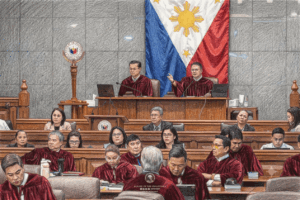
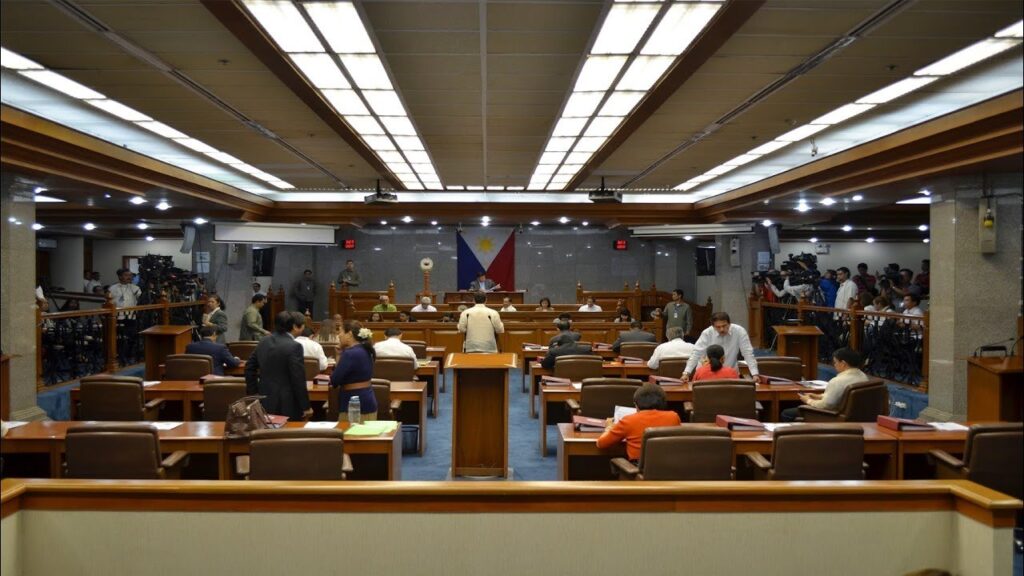
As the ₱6.4-trillion National Budget for 2026 inches toward final approval, tensions in Congress are rising — and so are the questions about how government spending will truly impact ordinary Filipinos. The proposed spending plan, the largest in Philippine history, is now in its final review phase, with lawmakers debating allocations for education, infrastructure, defense, and social welfare amid persistent inflation and widening public debt.
According to the Department of Budget and Management (DBM), the 2026 General Appropriations Bill aims to “sustain growth while ensuring fiscal discipline.” But behind the numbers lies a familiar tug-of-war — between economic priorities, political promises, and the realities of limited resources.
Where the money goes
Education once again takes the biggest slice, followed by infrastructure development and social services. The Department of Education (DepEd) and Commission on Higher Education (CHED) are expected to receive a combined allocation of more than ₱900 billion, while the Department of Public Works and Highways (DPWH) will manage over ₱850 billion under the government’s Build Better More program.
Defense spending is also getting a significant bump, with the Department of National Defense (DND) set to receive roughly ₱300 billion — a move reflecting growing maritime tensions and the push to modernize the Armed Forces. Meanwhile, social protection programs such as 4Ps and PhilHealth subsidies continue to receive support, though analysts warn these may still fall short of addressing persistent poverty and rising costs of living.
A GMA News report also questioned the reallocation of certain infrastructure and flood-control funds to “ayuda” or social assistance programs, showing how the government continues to juggle development priorities amid fiscal constraints.
The sticking points
Lawmakers from both chambers have raised concerns about transparency in certain budget insertions, especially those classified under “unprogrammed funds.” These discretionary pools — often used for emergency or special projects — have long been flashpoints for political friction.
A Philippine Star report noted that critics see signs of “pork barrel by another name” in several regional allocations, while watchdog groups are urging Congress to strengthen oversight mechanisms.
Meanwhile, Inquirer reported that a handful of House members voted against the final measure, citing cuts in disaster response and health funding. Senators have also questioned the drop in allocations for climate resilience and disaster preparedness — a risky move for one of the world’s most disaster-prone countries.
Economic balancing act
Economists say the 2026 budget attempts to strike a delicate balance between growth and austerity. The Marcos administration’s Medium-Term Fiscal Framework seeks to reduce the deficit while keeping spending on “productive sectors” strong. Yet with public debt surpassing ₱15 trillion, pressure is mounting to boost revenues and improve tax collection.
The Inquirer’s budget coverage revealed that the House of Representatives quietly raised its own institutional budget by ₱10 billion — drawing criticism from groups calling for tighter fiscal discipline.
Inflation remains around 4%, and if growth slows, the government may face tough trade-offs between infrastructure expansion and social welfare funding. Delays in rollouts could dampen recovery and test the administration’s credibility heading into the midterm elections.
The politics behind the plan
Budget season has always been political, and 2026 is no exception. Lawmakers are pushing for regional projects ahead of the 2025 polls. Critics, including Panay News, describe the proposed budget as “corrupt and militarist,” arguing that defense spending is outpacing social investment.
Still, Budget Secretary Amenah Pangandaman insists that the process remains transparent, citing the DBM’s digital portal that allows the public to track government projects. Watchdog groups, however, note inconsistencies in how data is published and updated.
What it means for Filipinos
For most Filipinos, the 2026 budget may seem abstract — but it directly affects everyday life:
- Education: Will classrooms finally get better facilities and teachers fairer pay?
- Healthcare: Will PhilHealth coverage expand or remain stagnant?
- Infrastructure: Will long-promised roads and flood projects be finished on time?
- Social welfare: Will assistance programs reach those who need them most?
In the coming weeks, the Bicameral Conference Committee will reconcile the House and Senate versions before sending the final draft for the President’s signature.
The bottom line
The 2026 National Budget isn’t just a financial document — it’s a reflection of the government’s priorities and its political will. Whether it delivers real progress or fuels more controversy will depend on how transparently it’s implemented, and whether the promised reforms truly reach the people who need them most.