MANILA — The Philippines is entering a new era in its energy mix, with coal power finally showing signs of decline after nearly two decades of dominance. The Department of Energy (DOE) says the country is ramping up investments in natural gas and renewable energy as demand continues to surge nationwide.
(Reuters)
Coal’s Downturn, Gas on the Rise
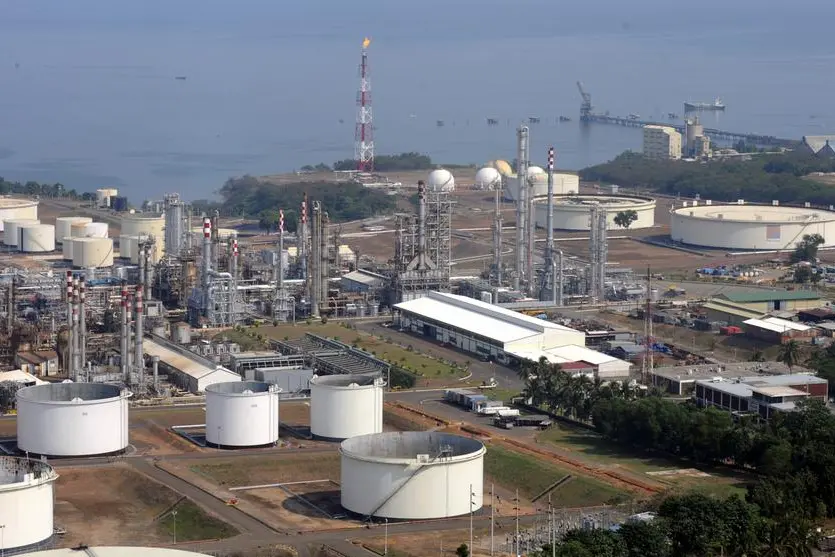
For the first time in 17 years, coal’s share of the Philippine energy mix is projected to fall. This comes as liquefied natural gas (LNG) imports and domestic renewables step in to meet growing demand. Gas-fired power plants now account for 17.5% of total generation — up from just 13.9% two years ago.
(BusinessWorld)
DOE officials said the shift is driven by three factors: stricter environmental policies, increased availability of LNG terminals, and growing investor confidence in solar and wind projects.
“We’re at a critical turning point,” said Energy Undersecretary Sharon Garin. “The Philippines needs cleaner, more flexible sources of power — and we’re working to ensure that the transition is stable and affordable.”
Renewables Gaining Momentum
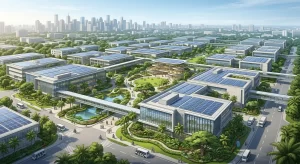
The country is also doubling down on renewable energy, with large-scale solar, wind, and hydro projects expected to add hundreds of megawatts of capacity by 2026.
(Philstar)
Among the biggest ongoing projects:
- A 300-MW solar farm in Nueva Ecija, one of Southeast Asia’s largest.
- Offshore wind developments in Ilocos and Mindoro.
- New hydropower expansions in Bukidnon and Benguet.
The DOE aims to generate 35% of the nation’s electricity from renewables by 2030, a goal aligned with the Philippines’ climate commitments under the Paris Agreement.
Challenges Ahead
But the energy transition isn’t without bumps. Industry analysts warn that a heavier reliance on imported LNG could push electricity rates higher, especially if global gas prices spike.
(Reuters)
“Moving away from coal is the right step, but the transition must be carefully managed,” said energy economist Ronald Recidoro. “We need to make sure this shift doesn’t make electricity unaffordable for households and small businesses.”
The DOE has also acknowledged that the country’s power grid still needs major upgrades to handle the influx of intermittent renewable sources like solar and wind.
A Turning Point for the Power Industry
Despite the risks, experts agree that the pivot marks a milestone for the country’s power sector — one that could pave the way for cleaner air, reduced carbon emissions, and a more resilient energy system.
“The global trend is clear — we’re moving toward sustainability,” said Garin. “The challenge is to do it without leaving anyone behind.”
With more renewable projects in the pipeline and gas facilities coming online, 2025 could be remembered as the year the Philippines finally began its real energy transition.
Sources: