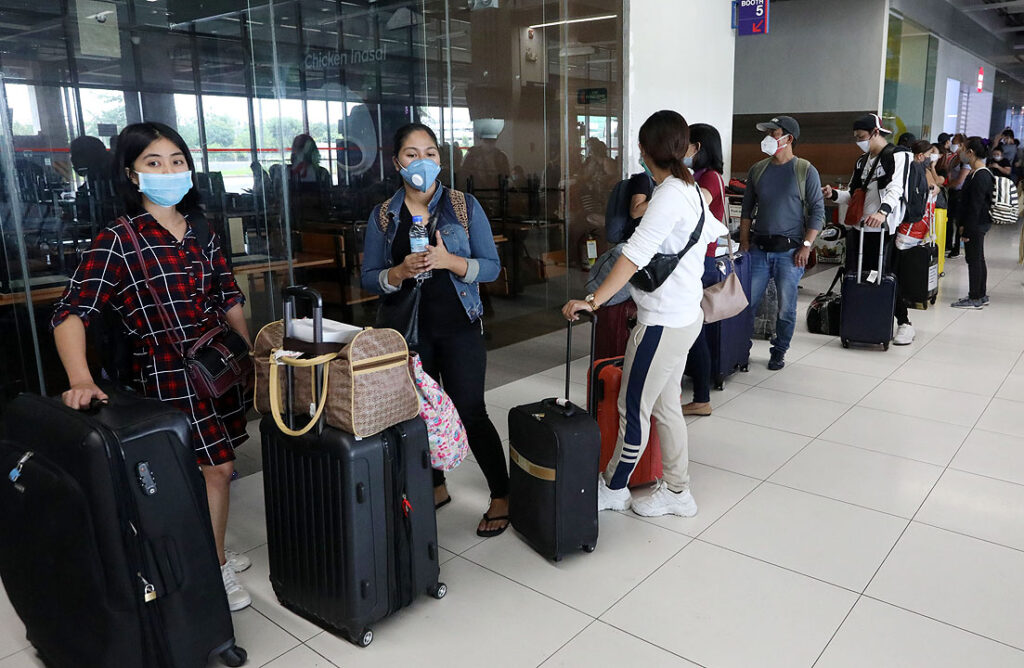
TAIPEI/MANILA — While Taiwan has become one of Asia’s more popular destinations for Filipino migrant workers, thousands of women who come here chasing better pay are finding that the cost of opportunity can be heartbreakingly high.
Behind Taiwan’s factories, households, and nursing homes lies a quiet reality: many Filipina migrant mothers face job insecurity, family separation, and stigma — even as their remittances keep families back home afloat.
Between Hope and Hardship
At 32, Marian Duhapa left her infant son in Batangas and flew back to Taiwan to resume work as a caretaker. Within a few months, she lost her job when her pregnancy was discovered — a story echoed by many others. Without formal protection under local labor laws, she sought help from a migrant shelter run by a church in Taipei.
“I thought working abroad would secure my child’s future,” she said in a translated interview. “But every day away feels like a sacrifice I didn’t expect.”
According to Taiwan’s Ministry of Labor, over 150,000 Filipino migrant workers are currently employed across the island — mostly in domestic care and manufacturing jobs. Despite wage increases announced this year (raising Taiwan’s monthly minimum wage to NT$27,470 or about ₱48,000), advocates say that higher pay doesn’t always mean better protection.
Pregnancy Penalty and Gender Bias
Under Taiwan’s system, foreign caregivers are often hired through private brokers who manage their contracts. While the law prohibits employers from dismissing workers due to pregnancy, many Filipina migrants still lose their jobs or face pressure to return home once they become pregnant.
Advocates like the Taiwan International Workers’ Association (TIWA) argue that loopholes in enforcement allow abuse to continue. “The government must ensure that migrant women have equal rights, especially when it comes to maternity,” said TIWA coordinator Lin Li-chen in an interview with Reuters.
The Philippines’ Department of Migrant Workers (DMW) said it continues to coordinate with its Taiwanese counterparts to improve support systems, but the challenges remain deep-rooted.
The Cost of Separation
Back home, the emotional toll on families is equally heavy. With one or both parents working abroad, more than 1.8 million Filipino children grow up separated from their mothers or fathers, according to data from the Commission on Filipinos Overseas.
Sociologist Mary Grace Tañedo notes that while remittances boost the economy, they also create “fractured families” where love is measured in money transfers and video calls. “These women are doing heroic work,” she said, “but it shouldn’t come at the cost of dignity or motherhood.”
Economic Lifeline, Emotional Toll
Taiwan has long been viewed as a “safer” and more stable alternative for overseas work compared to the Middle East. But as competition for jobs grows and industries demand flexibility, many Filipino women find themselves balancing caregiving abroad with guilt and longing at home.
Some stay hopeful. “I’ll endure this for now,” said Duhapa. “Someday, when I save enough, I’ll go home for good.”
Policy Changes on the Horizon
Taiwanese officials have hinted at possible policy reforms that would strengthen migrant maternity rights and expand access to health care for foreign workers. The Philippine government, meanwhile, is calling for bilateral agreements to better protect women working abroad — especially those in vulnerable sectors like caregiving and domestic service.
For now, shelters and NGOs remain the first line of defense, offering legal help, temporary housing, and a community for migrant mothers who often have nowhere else to turn.
The Bigger Picture
As global economies rely increasingly on migrant labor, the stories of women like Marian Duhapa reflect a larger question: how far should one go for a better life?
Their sacrifices fuel not just families, but also economies — yet they remain among the most invisible workers in Asia’s success stories.
Until laws and labor systems fully recognize their value, the promise of a better life abroad will continue to come with a heavy emotional price.
Sources: