MANILA — The Philippine government has opened a new detention facility in Metro Manila specifically built to house public officials accused of corruption. It’s a bold step meant to show that even the most powerful are not above the law.
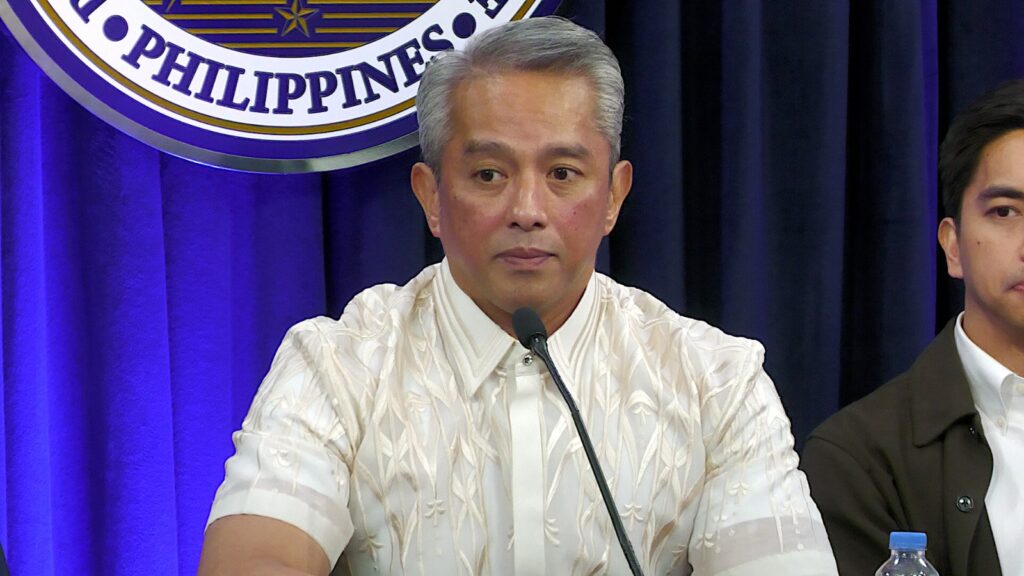
Interior Secretary Jonvic Remulla made the message clear during the facility’s launch: “If a shoplifter who stole a bottle of lotion could be detained here, the ones who stole billions should be similarly locked up.”
(Associated Press)
A Facility Built for Accountability
The new complex can hold up to 800 detainees, divided into 80 cells of ten inmates each. There are no luxury quarters, no private rooms, and no “VIP” privileges — a stark contrast to previous scandals where wealthy detainees enjoyed comfort behind bars.
The project comes at the height of a massive corruption scandal involving over 9,800 flood-control projects worth about ₱545 billion (US$9.5 billion). These projects, which began in mid-2022, are now under investigation for alleged ghost contracts, inflated costs, and substandard work.
(Associated Press)
According to government estimates, at least ₱118.5 billion (US$2 billion) may have already been lost to corruption. Around 200 individuals, including lawmakers, engineers, and contractors, could face indictment before the Sandiganbayan anti-graft court.
(Associated Press)
Why It Matters
Flooding is one of the Philippines’ most persistent threats. When flood-control budgets disappear into corrupt deals, lives and livelihoods are directly at risk. In Bulacan, a health worker lost her life during a flood-related accident, a tragedy that sparked outrage and protests calling for accountability.
(The Guardian)
For ordinary Filipinos, the issue goes beyond infrastructure — it’s about trust. If billions meant for safety and public welfare vanish, it deepens cynicism toward government institutions and weakens faith in the rule of law.
What Happens Next
The new detention facility is just one part of a broader anti-corruption push. The next steps are crucial:
- Will the promised indictments actually happen?
- Can stolen public funds be recovered and redirected to real flood-prevention projects?
- Will upcoming infrastructure budgets finally be transparent and accountable?
Critics warn that the “no VIP” jail will mean little if political allies or top-ranking figures escape justice. What matters now is whether the administration’s actions match its rhetoric.
In Their Own Words
“The same rules of the jail will apply to the rich and poor,” said Secretary Remulla, underscoring that the new policy aims to eliminate the long-standing culture of privilege behind bars.
(Associated Press)
Meanwhile, residents affected by floods are demanding more than symbolic gestures. “She died because of the flood. It’s not only money that’s being wasted, lives are too,” said the husband of health worker Christina Padora.
(The Guardian)
The Bottom Line
The new facility sends a message — but Filipinos have heard promises before. Real change will only be proven if those responsible for years of corruption finally face justice, and if the billions lost can be turned into real protection for flood-prone communities.
Until then, this “equal rules” jail stands as both a symbol of hope and a test of political will.
Sources:
- Associated Press – Philippines unveils a new jail for legislators who may face corruption trial
- Associated Press – Philippine flood-control projects made substandard to allow huge kickbacks, Senate inquiry told
- Reuters – Philippine groups demand independent investigation of ‘excessive corruption’ in government projects
- The Guardian – Filipinos rise up as outrage over corruption scandal grows