
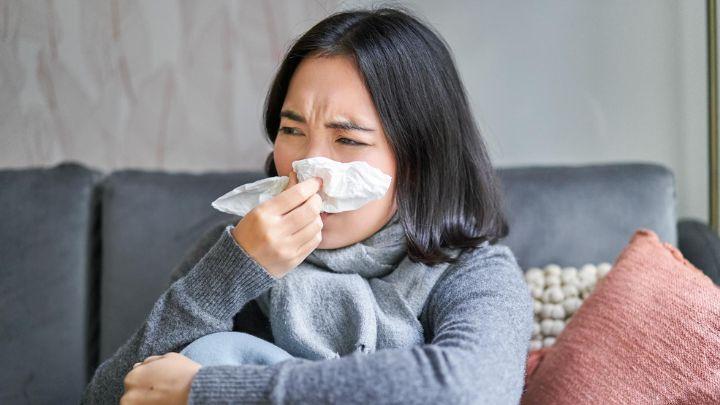
Despite growing headlines, superflu is not a newly discovered virus. Instead, it refers to unusually severe flu seasons driven by a mix of factors—including reduced immunity, increased social interaction, and evolving influenza strains.
Health experts explain that after the COVID-19 pandemic, many people had little exposure to common flu viruses. When normal activities resumed, influenza spread more rapidly, affecting larger groups at once and leading to higher hospital admissions in some regions.
Doctors emphasize that the symptoms of so-called superflu are similar to regular influenza but may feel more intense or last longer. Severe cases can result in complications such as pneumonia, especially among seniors and individuals with weakened immune systems.
Vaccination remains the most effective protection, with public health agencies continuing to recommend annual flu shots. Preventive habits like proper hygiene and early medical consultation also help reduce risks.
Superflu, experts say, is less about panic—and more about preparedness.