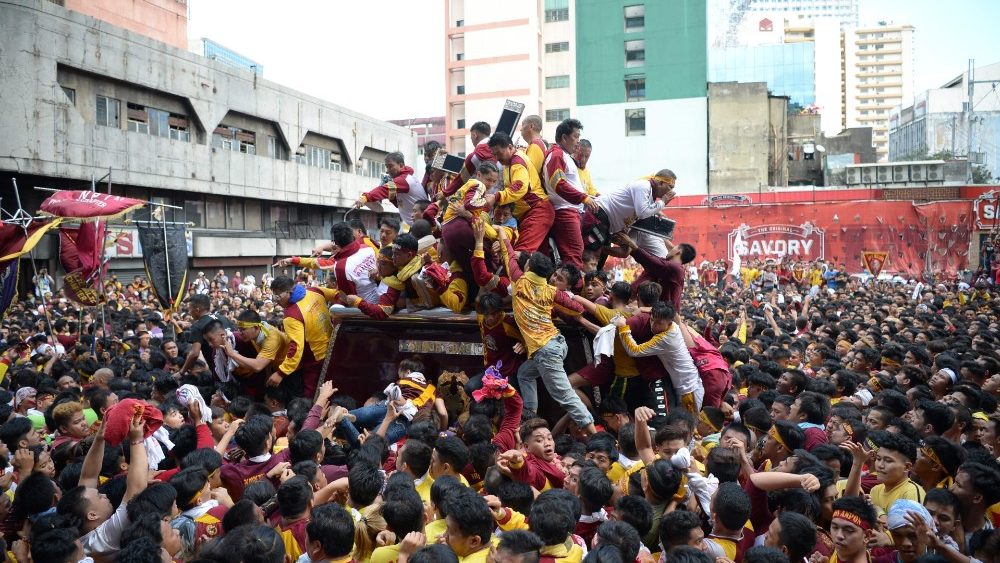
Every year on January 9, Manila becomes a focal point not only of Catholic devotion in the Philippines but also of faith-based tourism. The Traslacion of the Black Nazarene is more than a religious procession—it is a living cultural and spiritual heritage that draws the attention of both local and international visitors.
For many tourists, the Traslacion offers a rare glimpse into the depth of Filipino faith. From the early hours of the morning until late at night, visitors witness millions of devotees walking barefoot, praying fervently, and enduring the intense crowd to take part in the procession. It is an experience that cannot be fully captured in photos or videos, but one that must be seen and felt in person.
The Traslacion is increasingly recognized as part of faith tourism, a form of travel centered on religion, culture, and spiritual experience. Similar to pilgrimage destinations in other countries, Quiapo and the procession routes have become places of interest for travelers seeking to understand the faith that shapes Filipino identity.
The event also has a significant impact on the local economy. In the days leading up to and following the procession, tourism activity in Manila increases. Hotels see higher occupancy rates, restaurants experience heavier foot traffic, and small businesses—from food vendors to sellers of religious items—benefit from the influx of visitors. For many residents, the Traslacion is not only a time of devotion but also an important source of livelihood.
Beyond Quiapo Church, the procession routes pass through historic parts of Manila, including Intramuros and long-standing city streets. This naturally links religion with history, presenting the capital not just as an urban center but as a city deeply rooted in tradition and cultural memory.
However, the growth of tourism around the Traslacion also raises the need for responsible travel. Due to the massive crowds, tourists are reminded to respect the devotion of participants. The Traslacion is not a spectacle, but a sacred act for millions. Visitors are encouraged to follow guidelines, observe safety measures, and approach the event with cultural sensitivity.
There have also been discussions about further developing the Traslacion’s potential within the country’s cultural tourism programs—through clearer visitor information, heritage walks in Quiapo, and improved crowd management that benefits both devotees and tourists. Such efforts aim to preserve the sanctity of the tradition while opening opportunities for greater appreciation and understanding.
Ultimately, the Traslacion shows that tourism in the Philippines goes beyond beaches and landscapes. It is also a journey into faith, history, and collective identity. For those visiting Manila during this time, the Traslacion serves as a reminder that the country’s greatest treasures are often found in living traditions—sustained by the faith of millions, year after year.
You may also like: Traslacion: Pananampalataya, Sakripisyo, at ang Hindi Matitinag na Debosyon sa Poong Nazareno – coverph