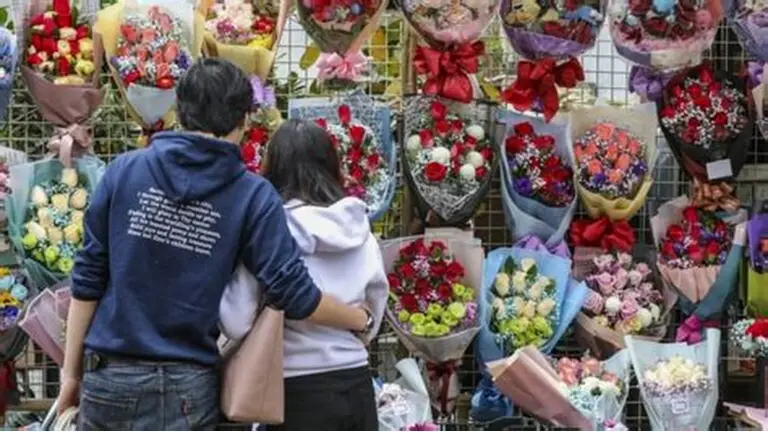
Valentine’s Day in the Philippines has long been associated with flowers, chocolates, and romantic dates. But over the years, the celebration has evolved into something broader and more complex, reflecting changing attitudes toward love, relationships, and personal well-being.
Today, Valentine’s Day is not just about couples. It has become a cultural moment that highlights family bonds, friendships, self-love, and even the social pressures that come with public displays of affection.
A Celebration Shaped by Filipino Culture
In the Philippines, Valentine’s Day is deeply influenced by community and connection. Restaurants fill up weeks in advance, malls roll out themed events, and social media timelines overflow with greetings. For many Filipinos, the day is less about grand gestures and more about sharing time, whether with a partner, friends, or family.
Public celebrations, such as mass weddings and community events, also reflect how love is viewed as something collective rather than purely private.
The Pressure Behind the Romance
Despite its joyful image, Valentine’s Day can bring emotional pressure. Expectations around gifts, dates, and public expressions of love often create stress, especially for singles or those in long-term relationships navigating changing priorities.
In recent years, conversations around mental health and emotional well-being have pushed people to question traditional Valentine norms. This shift has encouraged more inclusive ways of celebrating the day.
Modern Love Beyond February 14
Modern Valentine’s Day celebrations increasingly focus on meaning rather than performance. Some choose quiet moments over grand plans, while others treat the day as an opportunity for self-reflection and gratitude.
In the Philippines, Valentine’s Day now mirrors modern Filipino life itself: layered, emotional, and shaped by both tradition and change. Love is no longer confined to romance alone—it is shared, redefined, and expressed in many forms.
As February 14 approaches each year, Valentine’s Day continues to serve as a cultural mirror, revealing how Filipinos understand love in a modern, fast-changing world.